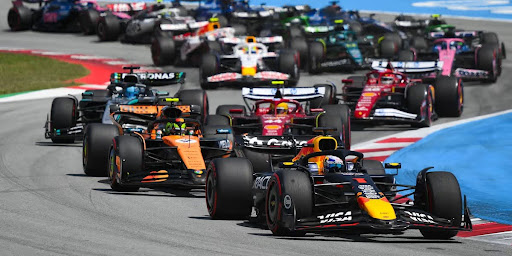
Formula 1 can feel messy during the first race weekend. Tyres change, gaps shrink fast, penalties may appear late, and a driver who looks slow on lap 12 could be saving the car for lap 40. A beginner does not need every regulation at once. During a busy Grand Prix weekend, live timing, race previews, weather updates, and account pages such as 1xbet registration may all sit in the same browser flow. The useful habit is simpler: read what is happening on the track first, then judge the result with more context.
1. Learn the weekend shape first
A Formula 1 weekend is easier to follow once the structure is clear. Practice shows early pace and setup work. Qualifying decides the grid. The race decides the points.
Sprint weekends add another layer, but the logic stays similar. The viewer should know which session actually matters before judging performance. A driver may look strong in practice because the car is running on low fuel. Another may look quiet because the team is testing race pace.
The most useful habit is checking the session type before reading too much into the timing sheet.
2. Watch tyres like a second scoreboard
Tyres explain more than most beginner guides admit. Soft tyres usually give more speed for fewer laps. Hard tyres last longer but may take time to warm up. Medium tyres often sit between those two extremes.
This matters because the fastest car at one moment may not be in the best position. A driver on older tyres can lose several seconds late in a stint. A driver on fresher tyres may look ordinary for a few laps before the advantage appears.
Once tyres make sense, race strategy stops feeling random.
3. Follow gaps, not only positions
The running order tells part of the story. The time gaps tell the better one.
A driver in fifth place may be closing fast on fourth. Another in second may be losing touch with the leader. The gap to the car behind also matters because of DRS, the overtaking aid that activates when a driver is within one second at the detection point.
For new viewers, this changes the race completely. A quiet lap is not always quiet. Sometimes the real action is hidden in a gap shrinking from 2.1 seconds to 1.3.
4. Use live timing if possible
The TV broadcast cannot show every fight. Live timing fills the missing pieces. It shows sectors, lap times, gaps, tyre age, pit stops, and sometimes speed traps.
This is useful for ordinary watching and for betting context. A live odds move can look strange until the timing screen shows tyre drop-off, traffic, or a driver suddenly losing pace in one sector. For Formula 1 betting, the better read often comes from these small signals: tyre life, pit window, weather risk, safety-car chance, and whether a driver is stuck in dirty air.
A race winner market may follow the front two cars. A podium or points market can depend on the midfield, where the broadcast may spend far less time.
5. Do not overreact to lap one
The first lap is dramatic, but it can also mislead. A driver may lose places because of avoiding contact. Another may gain early and then fade once tyre wear begins. Safety cars can reset the whole picture.
Beginners often judge too quickly after the start. Formula 1 rewards patience. Some races build slowly because teams are waiting for the pit window. Others change suddenly when a safety car appears or rain reaches only one part of the circuit.
The best approach is to watch the first five laps as information, not as a final verdict.
6. Listen for strategy clues
Team radio can reveal far more than emotion. Drivers complain about tyres, brakes, battery deployment, balance, or traffic. Engineers may mention Plan A, Plan B, target lap times, or lift-and-coast instructions.
Not every message is literal. Teams know rivals are listening. Still, radio gives useful texture. A driver saying the tyres are finished may be exaggerating, but repeated warnings usually mean something real.
Race strategy often becomes visible before the pit stop happens.
7. Start with one team or driver
Trying to follow all 20 drivers at once is too much. A beginner should pick one team or driver for the race and track that story closely.
This makes the broadcast easier to read. The viewer starts to notice pit strategy, tyre age, qualifying position, and race pace through one example. After a few weekends, the wider grid becomes easier to understand.
Formula 1 is not only about who wins. The best parts often sit in the smaller battles.
What makes F1 easier to enjoy
Formula 1 becomes more enjoyable when the race is read in layers. The first layer is position. The second is tyre strategy. The third is timing. The fourth is context: weather, traffic, penalties, radio, and pit windows.
A new viewer does not need to master everything in one weekend. Follow the tyres. Watch the gaps. Use timing when possible. Treat betting as a side layer that depends on race reading, not as the centre of the experience. Once those habits click, Formula 1 stops looking chaotic and starts feeling tense in the right way.