What Makes Snooker Such a Difficult Sport to Master
The goal of snooker is clear: put balls into pockets, earn points and end the frame with a score higher than the opponent. At the professional level snooker becomes harder. Players must mix skill with good positioning and stay calm during long sessions. One wrong cue ball can change a break into a defensive fight and a missed pot can let the opponent take control.
The complexity of snooker also makes it fun with 1xbet login to watch and study matches. Many factors help us guess how a player will perform.
Precision Starts With the Cue Ball
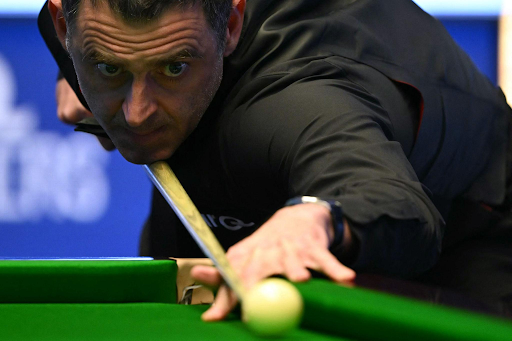
Hitting a ball into a pocket is part of a good shot. In snooker a professional player must also think about where the cue ball sits.
The cue ball’s position decides what happens next. Ideally the player wants an angle for the next shot and still sees the rest of the table.
This requires control over:
- The speed of the shot
- Where the cue ball touches the ball
- Sidespin
- Forward and backward spin
- The angle at which the cue ball hits the cushions
- The speed of the table
Small changes can make a big difference. If the cue ball rolls a centimetre too far the next shot may become harder or the player may have to stop an otherwise easy break.
Building a Break Is a Skill of Its Own
A strong snooker player does not just put balls in pockets one after another. They keep planning shots ahead.
During a break the player thinks about which red ball to hit, where the cue ball should end, which colour gives the next move and how the balls on the table change.
A successful break therefore involves decisions at once:
- Pick the best next ball.
- Choose the pot and angle.
- Manage the cue ball’s path.
- Pick the colour that keeps the break going.
- Change the plan when the table changes.
That is why building a break can separate players from good ones. Scoring a lot all the time needs cueing and knowing how the table will look.
Safety Play Changes the Rhythm
Not every important shot is meant to score.
Safety play is one part that makes snooker hard. When a pot is too hard or the position is bad a player may try to leave the opponent with no way to score.
Good safety also needs the precision of attacking. Players must control the cue ball, use the cushions well and think about where the balls will end up.
A good safety can change the frame. It can push the opponent into a decision, give a chance for a foul or slowly win a tactical edge.
Reading an Opponent
Professional snooker is also a battle between two ways to play the table.
Players soon find that an opponent’s habits affect tactics. A player good at pots may lead to a different safety from a player whose best skill is building a break.
During a match players may pay attention to:
- Preferred opening shots
- Potting accuracy
- Safety patterns
- Break-building consistency
- Shot choice under pressure
- Performance when behind
- Ability to recover after mistakes
This constant change makes a long match different from just testing skill.
Why Match Form Matters in Snooker Analysis
These traits also matter when people try to judge a pro match.
Even though a player’s recent results give some context, results alone rarely show the picture. Analysts and fans can also look at the quality of opponents, breaks, tournament results, head-to-head records and how a player does in different game types.
For bettors this info can be part of their pre‑match study. A player with recent results may draw interest but their style, consistency and record against a specific opponent give more context when comparing betting markets.
This is especially important in snooker because betting markets can go beyond just guessing the winner. Depending on the tournament and platform frame handicaps, total frames or other results can also be used in the study.
Long Matches Test More Than Technique
Snooker gets even harder when matches go over sessions.
Keeping focus for hours needs a kind of discipline rather than just playing one great frame. Players must recover from errors, keep their rhythm and come back to the table with the precision later.
The score can also change how a player plays. A player who is ahead may play slowly while a player who needs frames may take bigger risks.
That adds another layer of decision. The right shot is not always the best for the current situation.
What Makes a Complete Snooker Player
The best snooker players blend qualities instead of relying on just one skill.
| Skill | Why it matters |
| Cue-ball control | Creates better positions for the next shot |
| Potting accuracy | Allows players to convert opportunities consistently |
| Break building | Turns individual pots into substantial scoring visits |
| Safety play | Controls frames when attacking options are limited |
| Tactical awareness | Helps players choose the right approach to each situation |
| Concentration | Maintains performance through long matches |
| Adaptability | Allows players to respond to different opponents and table situations |
These abilities are not separate. A player can be a potter but may find it hard to build breaks if cue‑ball control is weak. Another may have safety but lack the scoring needed to punish opponent mistakes.
The real challenge is putting everything together.
The Skill Behind the Simplicity
In the end this is why snooker is hard to master. The rules are simple. Playing well needs great precision, planning and patience.
Every shot changes the next. Every safe shot can change the balance. Every missed chance can give the opponent the edge.
For fans these details make pro snooker exciting. For people who study matches they bring more useful info than just knowing who won the last tournament.