When was the last time you watched the reel of a gacha roll hoping for that one uncommon character?
You’re not imagining it.
Gacha games and real money slots have inched closer and closer together over the years. Once very different categories, the mechanics under the surface now look nearly the same. Both utilize blinking lights, near misses, and rare drops to encourage more pulls.
Here’s the kicker…
The worldwide gacha games market size was valued at USD 22.5 billion in 2024. That’s actual currency being spent on digital pulls.
Let’s break it down.
Here’s What’s Inside:
- What Gacha Games Actually Are
- Why They Feel Like Real Money Slots
- The Overlap in Mechanics
- What Regulators Are Doing About It
- What Players Should Know
What Gacha Games Actually Are
Gacha games take their name from Japanese capsule toy vending machines.
You put money in. A random toy pops out. Simple.
The virtual version operates identically. Gamers spend virtual currency (often purchased with real money) for a chance to receive a rare game character/item. However, the odds are extremely low and the good items are few and far between.
Popular titles include:
- Genshin Impact
- Fate/Grand Order
- Honkai: Star Rail
- Fire Emblem Heroes
Look how big these games are. According to recent industry reports the average paying gacha spender drops $87 per month and the whales spend over $1,500 per month. That’s a good chunk more than what many players comfortably spend enjoying real money slots at trusted licensed sites like 99luck casino across an entire year. But wait…here’s where the slot comparison becomes interesting…
The difference between dropping money for a spin at a slot machine and dropping money for a “pull” at a gacha game is less substantial than most gamers think.
Why Gacha Games Feel Like Real Money Slots
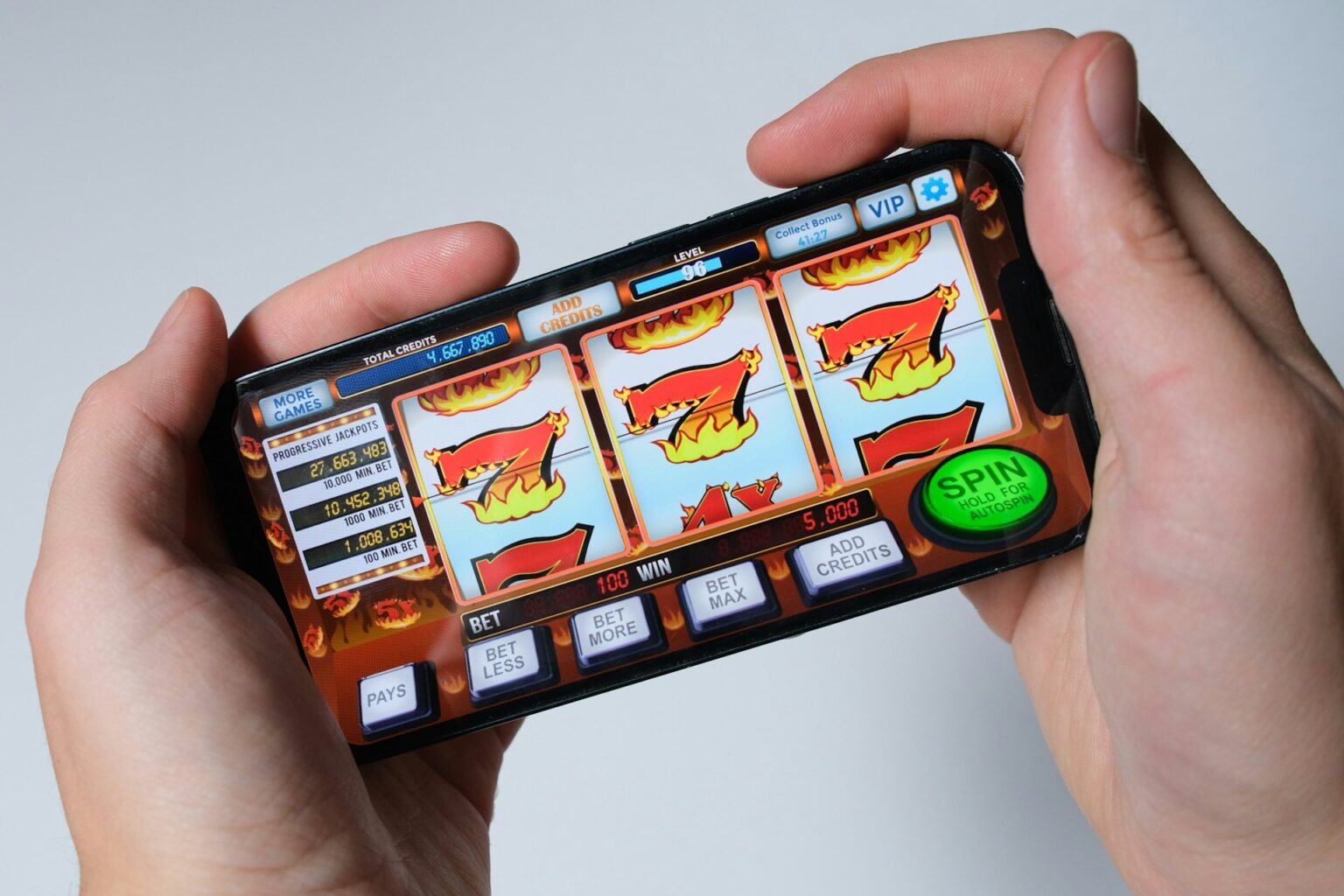
Ever noticed how a gacha “pull” screen looks a lot like a slot machine?
It’s not by accident.
Both use the same psychological triggers to keep players engaged:
- Variable rewards: You never know when the next big win is coming
- Near-misses: Almost getting the rare item makes you want to try again
- Flashy animations: Sparkles, glowing effects, and big reveals
- Limited-time banners: Fear of missing out drives spending
Old-fashioned real money slots employ all of these tricks. The flashing lights. The encouraging sounds. That “almost won” sensation that keeps your finger on the spin button.
Here’s the difference (or lack of one)…
Slot machines offer you a chance at money. Gacha games offer you a chance at digital characters. The grind, however, is the same. Pull. Cross your fingers. Pull again.
The Overlap in Mechanics
To be more specific about the crossover…
Real money slots are over 100 years old. They have a computer program called an RNG that determines results. Each spin is independent of the previous one. The house always has an advantage in the long run.
Gacha games?
They use the same RNG based system. Pulls are not connected to each other in any way. The odds are whatever the publisher wants them to be. House always wins eventually like a casino.
Consider this:
Gacha games employ effective behavioural economics tactics that turn 5-10% of their players into paying customers. And those “whales” make up more than 70% of revenues. Sounds familiar? Neither does that average casino floor.
What Regulators Are Doing About It
Governments have noticed.
Belgium and Netherlands have already defined loot boxes (kindred of gacha) as gambling merchandise. China mandates publishers reveal the odds of every pull. Japan banned “kompu gacha” (stacked gacha) via consumer protection law.
EU Parliament is investigating gacha mechanics on similar grounds, saying they prey on vulnerable players.
Here’s a thought worth chewing on…
Studies indicate players who have gambling issues tend to spend more money on gacha. That’s significant for a genre marketed towards teenagers and young adults.
Legal regulations surrounding games are messy. Something might be completely legal in one country and banned in another. Kinda depends on where you reside.
Why This Matters For Real Money Slots Players
If you already play real money slots you understand odds, spins and payouts.
Gacha games operate under the same principles, but typically without stated odds, age gates, or regulatory scrutiny.
For that reason, real money slots operators are held to a higher standard than most gacha publishers. Licensed casinos must publish return-to-player (RTP) rates and adhere to strict responsible gaming guidelines.
Gacha games? Not so much.
What Players Should Know
If you like playing gacha games and playing real money slots, then keep these few tips in mind.
- Sit your losses: spinning slots or pulling for characters, know how much you’re willing to lose before you begin
- Understand the odds: Read the disclosed rates (when available) and don’t chase losses
- Be afraid of FOMO: Limited time banners and jackpots want you to spend more
- Take breaks: Regular breaks help you keep perspective and avoid burnout
- Track your spending: Small purchases add up faster than you think
Here’s a little thought experiment…
Addition up all of the money you’ve spent on gacha pulls over the past 6 months. Would you have been satisfied depositing that money into a licensed casino? If not take note.
Fact is slots with real money and gacha games are both forms of entertainment. Neither are objectively good or evil. However when they start to blend together players have the right to know what they’re getting into.
Bringing It All Together
Gacha games and real money slots have never been more alike.
Slot machines and online games both utilize randomized rewards. They both employ psychological levers. They both depend on a minority of “whales” to sustain most of their income. And they can both be really enjoyable if played responsibly.
The main difference?
Real money slots are classified as gambling almost everywhere. Gacha games are almost never classified as gambling even though they use the same mechanics.
Here’s the bottom line:
- Gacha games and real money slots share the same DNA
- The regulation is playing catch-up
- Players need to be aware of what they are actually doing
- Responsible spending applies to both categories
The distinction between the two will continue to blur moving forward. Whether you’re rooting for your favorite 5-star player or just spinning the slots, consider every dollar you spend as entertainment dollars. Don’t chase your losses. Don’t gamble with Fear Of Missing Out. And don’t delude yourself into what you think is really happening when you click “buy.”