HarakaBet Kenya, how a progressive jackpot actually grows and pays out
A jackpot counter climbing in real time, ticking up with every bet placed somewhere in the network, has a way of pulling attention that a fixed prize never quite manages. The bigger the number gets, the more it feels like a win is somehow overdue. That feeling is worth examining closely, because it rests on a misunderstanding of how these jackpots are actually built.
Anyone browsing the casino section on Harakabet Kenya official site will come across jackpot games sitting alongside standard slots, and the mechanics behind that growing number are worth understanding before assuming a bigger pool means a better chance.
Where the growing number actually comes from
A progressive jackpot grows because a small percentage of every bet placed on that game, or across a connected group of games, gets set aside and added to the pool instead of going toward the standard prize payouts. That percentage is usually small, often a fraction of a percent per bet, but it accumulates fast across thousands of players placing bets around the clock.
This explains why a progressive jackpot can climb into figures far larger than any fixed jackpot on a standard slot. It is not one operator setting aside a huge prize out of goodwill, it is a continuous trickle from every bet placed, building steadily until someone triggers the win condition.
Local jackpots versus networked jackpots
A local jackpot is tied to a single game, sometimes even a single version of that game running on one platform, and it grows purely from bets placed on that specific title. A networked jackpot pools contributions from the same game running across multiple platforms or operators at once, which is why networked jackpots tend to grow faster and reach far larger totals than a local jackpot ever could on its own.
The trade-off is usually in how often each type pays out. A local jackpot with a smaller contributing pool tends to trigger more frequently at a lower total, while a networked jackpot can take much longer to hit precisely because so many more players are chasing the same growing prize across a wider network.
Why the odds never actually change
This is the part that trips up the most people. The trigger for a progressive jackpot, whether it is a specific symbol combination landing or a fully random bonus event, is governed by the same random number generator that determines every other outcome in the game. That trigger probability stays fixed regardless of how large the jackpot pool has grown.
A jackpot sitting at a record high does not mean a win is more likely than when it was sitting near its base value right after the last payout. The size of the prize and the probability of winning it are two completely separate things, connected only by the fact that more unclaimed time has passed since the last win, which says nothing about what happens on the very next spin.
The gambler’s fallacy dressed up as a jackpot theory
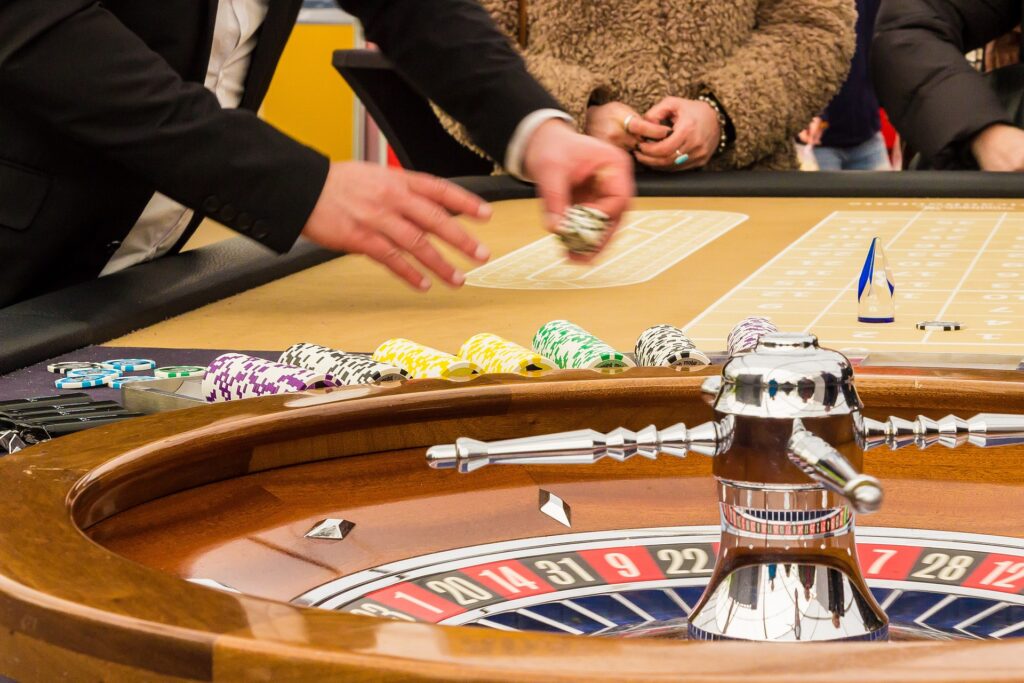
Believing a jackpot is due because it has not paid out in a while is the same reasoning that leads someone to bet on red after a long run of black at a roulette table. Neither the roulette wheel nor the jackpot’s random number generator carries any memory of what happened before. Every spin, on every game, starts completely fresh.
This does not mean chasing a large jackpot is a bad idea, since someone has to win it eventually and the size of an unclaimed prize is genuinely part of its appeal. What matters is understanding that a bigger number on the counter does not mean better odds of being the one who wins it.
Comparing the two jackpot types
| Factor | Local jackpot | Networked jackpot |
| Contributing pool | Single game or platform | Multiple games or platforms combined |
| Typical growth speed | Slower, more contained | Faster, often dramatic |
| Typical payout size | Smaller | Can reach very large totals |
| Frequency of payouts | More frequent | Less frequent, since more players compete for it |
| Odds per spin | Fixed regardless of pool size | Fixed regardless of pool size |
What actually changes when a jackpot resets
Once a progressive jackpot pays out, it resets to a base seed value and starts climbing again from that fixed starting point. This reset is the only moment the size of the number genuinely tells you something useful, that the pool has just started over, rather than being close to some imagined threshold.
A few things worth keeping in mind before chasing a jackpot game specifically:
- The base game RTP on a progressive slot is often slightly lower than a non-progressive equivalent, since part of every bet feeds the jackpot pool instead of the standard payout table, and this applies on HarakaBet the same way it does across the industry generally
- A jackpot resetting to its base value does not make it any less likely to trigger on the very next spin than it was the day before
- Bankroll management matters just as much on a jackpot game as on any other casino title, since the jackpot itself remains a rare, high-variance event regardless of how the pool looks
Conclusion
A progressive jackpot grows because a portion of every bet across a game or network of games feeds into a shared pool, not because of any pattern building toward an inevitable win. Local jackpots grow slower and pay out more often, networked jackpots swing for much larger totals less frequently, and on HarakaBet or any other platform offering these games, the actual odds of triggering the win stay exactly the same no matter how large the number on screen gets. Understanding that distinction changes nothing about how fun a jackpot chase can be, it just keeps expectations grounded in how the mechanic actually works.
As with any casino game, it is worth keeping a spending limit set before the session starts, treating jackpot games as entertainment rather than a plan to win big. If it ever stops feeling like fun, reaching out to a professional or a dedicated support line is always the right decision.
FAQ
Does a jackpot become more likely to hit the longer it goes unclaimed?
No, the probability of triggering a progressive jackpot stays fixed on every single spin, regardless of how long it has been since the last payout. This is a common misconception rooted in the gambler’s fallacy, the same reasoning that assumes a coin is due to land on heads after several tails in a row.
Why do networked jackpots grow so much larger than local ones?
A networked jackpot pools contributions from the same game running across multiple platforms or operators at once, rather than from a single game on a single platform. That combined pool of players contributing simultaneously is what allows networked jackpots to reach far larger totals than a local jackpot tied to one game alone.
Does playing a progressive jackpot slot mean a lower base RTP?
Often yes, since a small percentage of every bet on a progressive slot gets redirected into the jackpot pool instead of the standard payout structure, the base game RTP tends to run slightly lower than an equivalent non-progressive slot. This trade-off exists specifically to fund the growing jackpot that sits separate from regular gameplay wins.