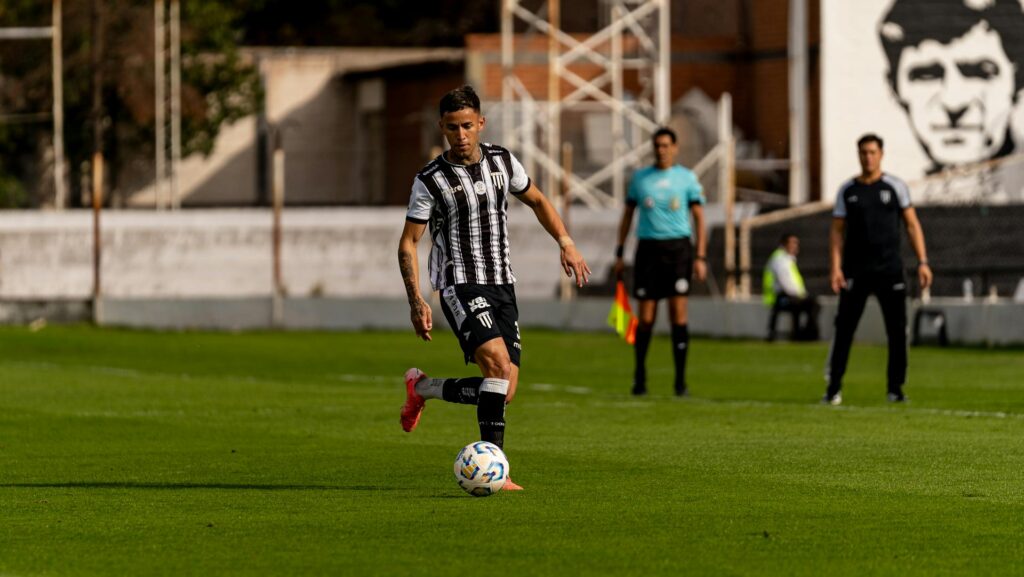
Elite football schedules often require two competitive fixtures within seven days, and researchers have measured what short recovery does to running output, injury rates, and team results. The findings are averages across many matches, in the same way that real money slots publish a theoretical return over a very large number of rounds, and in both cases an average does not describe a single occasion. Recovery after a match is the starting point, because studies report that muscle function needs about 72 to 96 hours to return to pre-match levels.
This article reviews what the research found on running distance, injuries, and tactical performance, why the results differ, and how to read averages carefully.
What the Studies Measured
A professional player covers roughly 10 to 11 km in a match, and fatigue has been reported for up to 72 hours afterwards. One study found that squat jump and repeated sprint tests at 72 hours were similar to baseline values, even though blood markers still showed physiological stress. Another noted that a return of physical performance does not necessarily mean full recovery. The table below summarises four studies.
| Study | What it compared | Main finding |
| Single professional team across a congested period | Six successive matches against non-congested periods | No differences in physical or technical activity |
| Systematic review and meta-analysis (2020) | Studies of fixture congestion in professional football | Total distance covered was not affected, while tactical performance may be negatively affected |
| 11-year follow-up of the UEFA Champions League injury study | Recovery of three days or less against four days or more | Total injury and muscle injury rates were higher after short recovery |
| Recent locomotor study | Intervals under 72, 72 to 120, 121 to 168, and over 168 hours | Congested fixtures meant less total distance and fewer accelerations and decelerations |
The recent locomotor study also found that the decline appeared after three matches within 72 hours or four matches within 120 hours, and that long accumulated travel in the days before a fixture made the reduction larger.
Injury Findings From Congested Periods
Injury results are less consistent than running results. These are the main points reported:
- Muscle injury rates were higher in matches with three days or less of recovery than in matches with four days or more.
- A single-team study found a higher injury rate during matches in the congested period, but a lower injury rate in training.
- A club study found that 72 to 96 hours between matches was enough to maintain the tested physical performance but not enough to keep injury rates low.
- A different club study found that an interval of three days or less did not produce a higher injury rate than a longer interval.
The UEFA study also concluded that match congestion had no or very limited influence on team performance, even though injury rates rose. A team can therefore keep its results while carrying a higher injury risk.
Why the Results Differ
Total distance is the measure used most often, and a meta-analysis found no effect on it. Other measures, such as high-intensity running, accelerations, and tactical synchronisation, react differently, so a team can cover the same distance while moving less sharply. The meta-analysis also noted that the tactical findings came from limited data.
Sample size and design matter as well. Many studies follow one club, and squad rotation can hide the effect, since not every player plays every match. Travel, the number of matches in a row, and the length of the interval all vary between studies, which makes direct comparison difficult.
Reading Averages Carefully
Slot rules sheets, including the one for Sweet Bonanza Zambia, describe a fixed model with published numbers. The game uses a 6×5 grid, pays when eight or more matching symbols land anywhere, and removes winning symbols so new ones can fall in until a drop brings no new win. Four or more scatters start 10 free spins, and three or more scatters during that round add five more. Multiplier symbols from 2x to 100x appear only in the free-spins round and stay on the grid until the tumble sequence ends. Where the operator allows it, the round can be bought for 100 times the stake.
The theoretical return is about 96.5% in common versions of the game, and operators can use different configurations, so the figure in the game’s own rules sheet is the one that applies. It describes a very large number of rounds and says nothing about one session, just as a study’s average says little about one match. Both casino games and betting are entertainment for adults aged 18 and over, and deposit and time limits are available in most accounts.
Recovery Windows at a Glance
Across the studies, a few time windows come up repeatedly. Fatigue has been reported for up to 72 hours after a match, and muscle soreness peaks about 48 to 72 hours after a game. Muscle function takes around 72 to 96 hours to return to pre-match levels, and one club study found that 72 to 96 hours was enough to keep tested physical performance steady but not enough to keep injury rates low. In the UEFA injury study, recovery of three days or less was linked to higher injury rates than four days or more, and the recent locomotor study found a decline after three matches within 72 hours or four matches within 120 hours. These windows describe averages across many players and matches, so individual recovery varies.