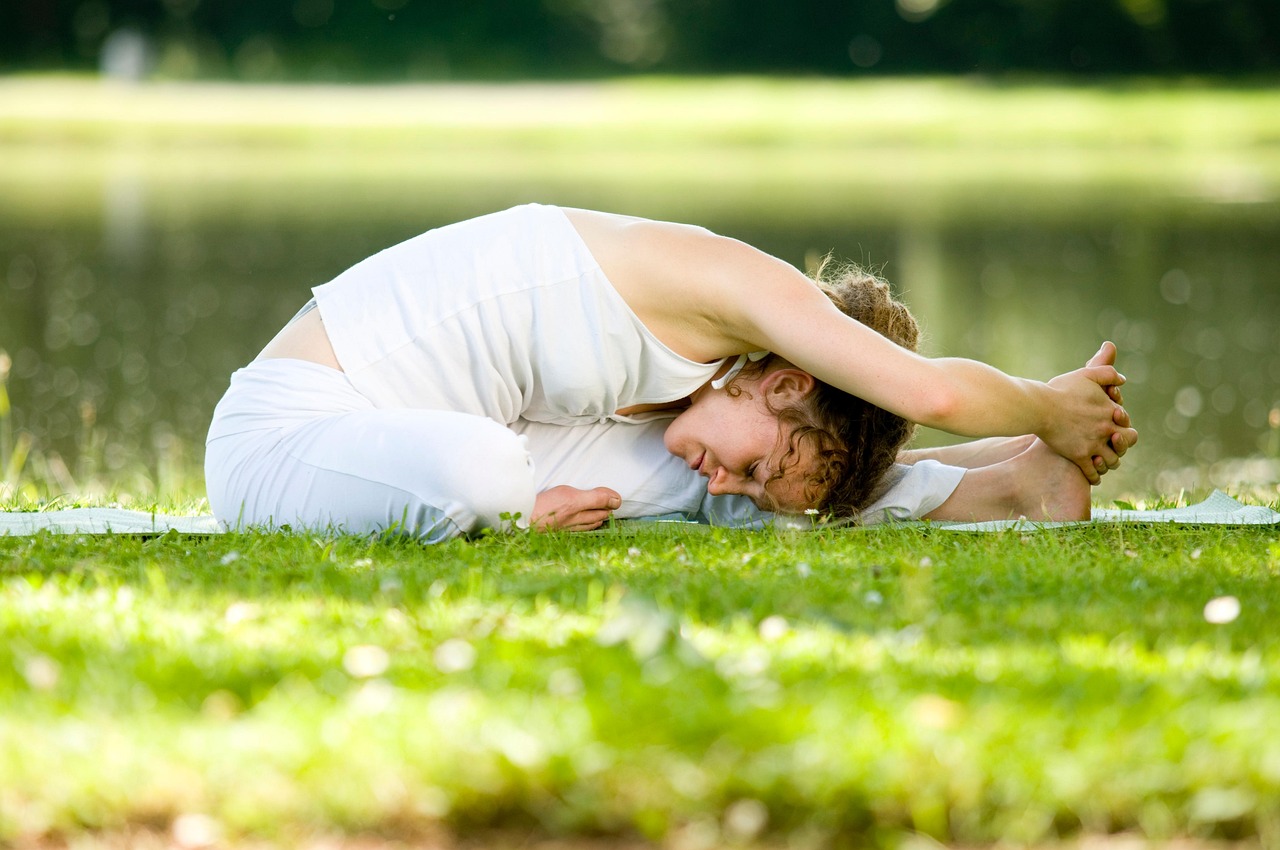
Simple Habits for a Real-Life Active Routine
Staying active isn’t really about rigid discipline; it’s about building routines that can actually survive your busiest, messiest days. Current U.S. guidelines suggest aiming for 150–300 minutes of moderate aerobic activity per week plus strength training at least twice a week. The best part? It doesn’t need to be one long, grueling workout. A brisk walk between meetings counts just as much toward your weekly goal. The secret is simply starting small and letting the momentum build naturally.
Plan Your Week Before It Starts
If you leave exercise for “whenever you have time,” it usually disappears by Wednesday. Try setting a simple, flexible schedule: maybe a 30-minute brisk walk on Monday, Wednesday, and Friday, and a 60-minute bike ride, swim, or game on Saturday. This hits your targets without forcing seven days of formal workouts. When you schedule your walks at the same time every day, you stop negotiating with yourself: you just do them. And if a work meeting eats up your Tuesday, don’t sweat it; just swap it to Thursday and keep the rhythm going.
7,000 Steps Is a Guideline, Not a Finish Line
Don’t stress over hitting exactly 10,000 steps: it’s not a hard medical rule. A 2025 review of 57 studies found that hitting around 7,000 steps a day is generally linked to better health outcomes compared to just 2,000. It doesn’t mean that specific number is a magic bullet, but it gives you a clear target. If you’re currently averaging 4,500 steps, don’t worry about trying to double that overnight. Just aim to add a 15-minute lunch walk and focus on your seven-day average instead of obsessing over a massive, one-off total on Sunday.
Strength Work Earns Its Place at Home
Strength training shows up in everyday life long before it shows up in a mirror: lifting groceries, climbing stairs, hauling luggage, or simply getting up off the floor without thinking twice. The American College of Sports Medicine advises working all major muscle groups at least twice per week. Two short sessions can cover a squat, hip hinge, push, pull, carry, and calf raise with dumbbells, machines, resistance bands, or body weight. Progress may be one extra repetition, slightly more resistance, or cleaner control; constant soreness is not a useful scorecard.
Matchday Can Still Move
A regulation soccer match has two 45-minute halves, a halftime interval of no more than 15 minutes, and added time for substitutions, injuries, celebrations, and other delays. A short 20-minute walk before kickoff and another after the final whistle helps avoid turning the whole afternoon into one long spell of sitting. Once the game starts, MelBet (Arabic: ميلبيت) can be used to follow pre-match odds, live markets, and updated stats as goals and substitutions change the flow of play. Keeping a fixed entertainment bankroll makes the betting side easier to control and clearly separate from simply watching the match.
The Chair Needs Interruptions
A morning workout doesn’t cancel out a day spent mostly sitting at a desk. In a 2023 crossover study, 11 middle-aged and older adults went through five separate 8-hour lab sessions. The most consistent improvement in blood sugar came from a simple pattern: a 5-minute easy walk every 30 minutes. All of the walking-break setups also reduced systolic blood pressure compared with sitting the entire time. The study was small and only measured short-term responses, so it can’t be treated as a full long-term blueprint. In real life, it’s usually enough to anchor movement to small cues to stand up and walk for a minute or two.
Sleep Keeps the Routine From Fraying
The CDC recommends seven or more hours of sleep for adults ages 18–60, seven to nine hours for ages 61–64, and seven to eight hours from age 65. A 6:30 a.m. walk becomes easier to repeat when bedtime is reasonably steady and shoes, clothes, and water are prepared the night before. Lighter days can still contain an easy walk, relaxed cycling, or a short mobility session without adding another hard training load. Routine wins.