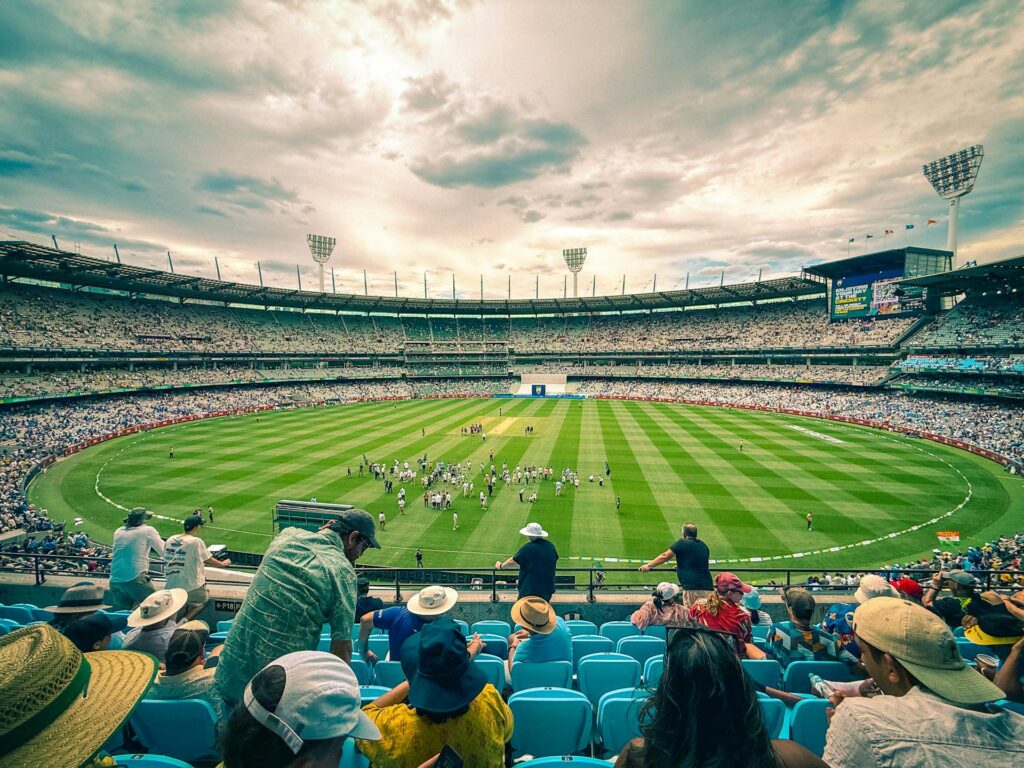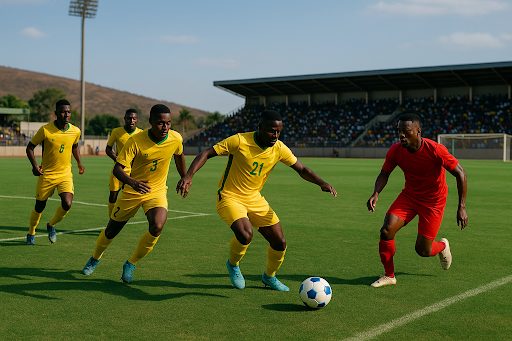
Football in Africa is far more than a sport. It is a shared language, a unifying force, and a mirror reflecting history, politics, and cultural pride. From packed stadiums in Nigeria to neighborhood pitches in Senegal, the game connects people across ethnic, linguistic, and social divides. Even global platforms like Betwinner reflect how deeply football is embedded in everyday conversations, linking local passion with international attention.
Across the continent, football has played a central role in shaping how nations see themselves. It has helped define identity during colonial resistance, independence movements, and modern nation-building. The sport often acts as a stage where countries express pride, resilience, and unity.
Football as a Unifying Force Across Diverse Societies
Many African countries are home to dozens or even hundreds of ethnic groups. In such environments, building a shared national identity can be complex. Football provides a rare space where these differences fade, replaced by collective support for a national team.
Key ways football unifies diverse populations:
- National teams represent all regions and ethnicities
- Matches create shared emotional experiences
- Players often become symbols of unity beyond tribal lines
- Major tournaments encourage nationwide celebrations
- Media coverage reinforces a single national narrative
Football allows citizens to rally behind one flag, one anthem, and one team. During tournaments like the Africa Cup of Nations, entire countries pause to support their players. Streets fill with fans wearing national colors, and differences that may matter in daily life become less significant.
This unifying effect strengthens national identity by creating moments of collective pride and shared memory that endure long after the final whistle.
Historical Role of Football in Independence and Post-Colonial Identity
Football has deep historical roots in Africa, dating back to colonial times when it was introduced by European administrators and missionaries. Over time, African players and communities transformed the game into a tool of expression and resistance.
Key historical milestones linking football and identity:
| Period | Role of Football | Impact on Identity |
| Colonial era | Introduced by European powers | Became a platform for local pride |
| Pre-independence | Clubs formed by local communities | Strengthened cultural identity |
| Independence movements | Matches symbolized resistance | Inspired unity and nationalism |
| Post-independence | National teams gained prominence | Reinforced sovereignty and pride |
During the mid-20th century, football matches often carried political meaning. Victories against colonial or foreign teams were seen as symbolic wins for independence. After gaining sovereignty, many nations invested in football as a way to project strength and unity on the global stage.
This historical connection continues to influence how football is perceived today. It is not just entertainment but a reminder of shared struggles and achievements.
Iconic Players as National Symbols
African football has produced legendary players who embody the hopes and aspirations of their nations. These individuals often transcend sport, becoming cultural icons and ambassadors of national identity.
Players like Didier Drogba and Samuel Eto’o are remembered not only for their achievements on the pitch but also for their influence off it. Drogba famously played a role in promoting peace in Ivory Coast during a period of conflict.
How players shape national identity:
- Represent the country on international stages
- Inspire younger generations across social classes
- Act as symbols of success and resilience
- Promote unity during times of tension
- Strengthen global recognition of their nations
When these athletes succeed in leagues across Europe or in global tournaments, they carry their nation’s identity with them. Fans see their achievements as collective victories, reinforcing pride and belonging.
Football Tournaments and Collective National Memory
Major football tournaments play a powerful role in shaping national narratives. Events like the FIFA World Cup or the Africa Cup of Nations create defining moments that become part of a country’s history.
Examples of tournament-driven identity moments:
- Cameroon’s performance in the 1990 World Cup inspired continental pride
- Senegal’s victory over France in 2002 became a symbol of African strength
- Egypt’s dominance in AFCON tournaments reinforced national pride
These moments are remembered for generations. They are replayed in media, discussed in homes, and taught to younger fans. The emotional impact of such victories goes beyond sport, contributing to a shared sense of identity.
Football tournaments also provide smaller nations with a global platform. Even a single strong performance can reshape how a country is perceived internationally and internally.
Grassroots Football and Everyday Identity Formation
While international matches capture global attention, grassroots football plays an equally important role in shaping identity at the local level. Informal games in streets, schools, and villages create early connections between individuals and the sport.
Key aspects of grassroots influence:
- Builds community bonds from a young age
- Encourages participation across social groups
- Reinforces local pride and belonging
- Acts as a pathway to professional opportunities
- Connects rural and urban communities
In many African countries, football is accessible to almost everyone. A ball, a small open space, and a group of players are enough to start a game. These everyday experiences help embed football into cultural identity from childhood.
Grassroots football also acts as a foundation for national teams. Many professional players begin their journey in local communities, carrying those roots with them as they rise to prominence.
The Role of Media and Global Exposure
Modern media has expanded the influence of African football, allowing fans to follow both local and international competitions. Television, social media, and digital platforms have made it easier for people to connect with their teams and players.
Media contributions to national identity:
- Amplifies national team achievements
- Creates shared narratives through commentary and analysis
- Connects diaspora communities with home countries
- Promotes local leagues and talent
- Enhances visibility on the global stage
Global exposure also allows African nations to shape their image internationally. Successful teams and players challenge stereotypes and highlight the continent’s talent and diversity.
At the same time, media coverage strengthens internal identity by keeping fans engaged and informed. Matches become national events, and discussions extend beyond the pitch into cultural and social spaces.
Football in Africa continues to serve as a powerful force in shaping national identity. It connects history, culture, and modern aspirations in a way few other activities can. From grassroots games to international tournaments, the sport remains deeply woven into the fabric of society, offering a shared sense of belonging that resonates across generations.