Physical Health: More Than Just Muscles
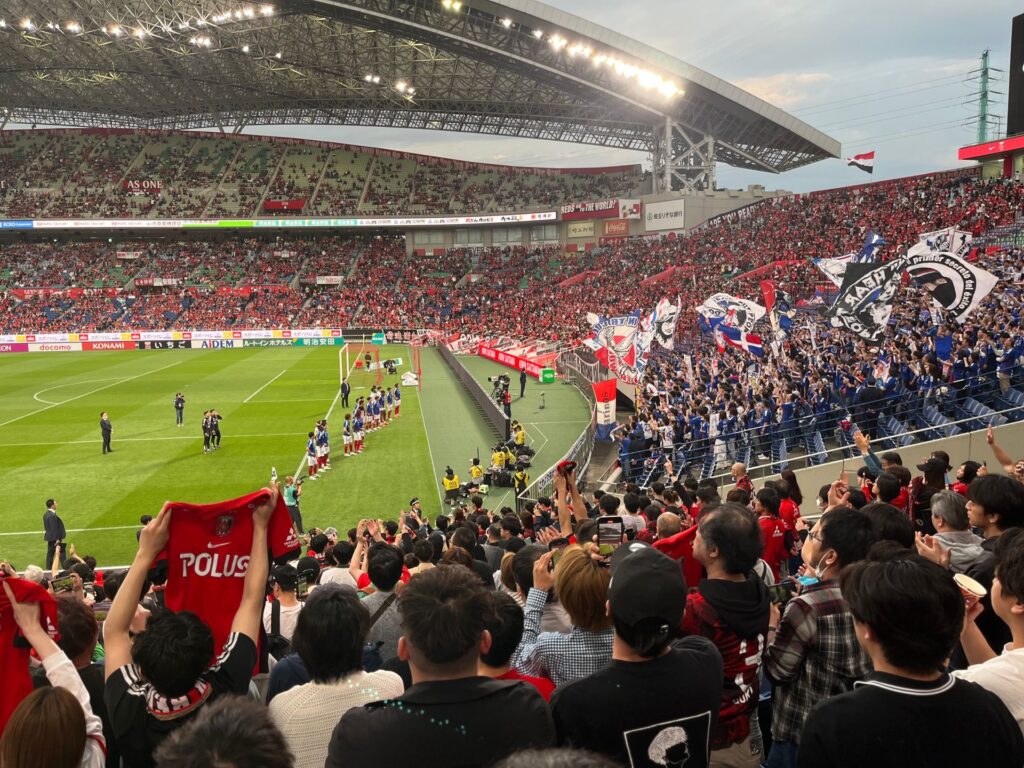
In today’s world, where stress levels are rising and sedentary lifestyles have become the norm, sport is no longer an option — it is a necessity. Regular physical activity is one of the most effective ways to maintain and improve overall health. This applies not only to physical fitness, but also to a person’s emotional and psychological state. Interestingly, the interest in sports is growing not only among those who train but also among spectators and analysts. For example, the platform betgr8 offers in-depth sports event reviews, match analysis, and helps users better navigate the professional sports world.
Physical exercise impacts all bodily systems. In particular:
- Cardiovascular system. Aerobic activities like running, swimming, and cycling increase endurance and reduce the risk of hypertension and heart disease.
- Musculoskeletal system. Regular workouts strengthen muscles and bones, improve posture, and lower the risk of osteoporosis.
- Immune system. Moderate activity enhances immune response and lowers susceptibility to viral and respiratory illnesses.
- Metabolism. Physical activity boosts metabolic processes, supports healthy weight management, and aids digestion.
Importantly, this isn’t only about intense workouts. Daily walks, morning stretching, and active play all contribute to the development of a sustainable physical culture.
Mental Health: Sport as Therapy
Beyond the physical benefits, sport has undeniable psychological advantages:
- Stress reduction. Physical exercise stimulates the release of endorphins — natural hormones that reduce anxiety and elevate mood.
- Focus and discipline. Sport fosters attention, consistency, and goal-setting — valuable in both daily life and professional contexts.
- Better sleep. Physical fatigue contributes to deeper, more restorative sleep and helps combat insomnia.
- Social connection. Group workouts, sports teams, and shared activities strengthen interpersonal relationships and promote psychological resilience.
- Sport and Children: A Foundation for Life
Physical activity is crucial during childhood. It supports healthy development of the musculoskeletal system, coordination, and motor skills. Children who play sports tend to focus better at school, have higher self-esteem, and develop strong teamwork abilities. Regular practice also builds a sense of responsibility and persistence in achieving goals.
Sport and Success: A Direct Correlation
Many successful entrepreneurs and thought leaders credit their athletic backgrounds with shaping their ability to achieve. Sport cultivates endurance, emotional self-regulation, and a readiness to overcome challenges. Individuals who consistently exercise tend to manage time more effectively, make faster decisions, and resist apathy.
Practical Tips Everyone Should Follow
- Devote at least 30 minutes a day to physical activity.
- Start the morning with stretching or light movement.
- Aim to walk 8,000–10,000 steps daily if possible.
- Change posture regularly when working — take breaks and stand up often.
- Choose active leisure — walking, cycling, or playing with children.
Sport as a Lifestyle
It’s not just about starting to exercise — it’s about integrating movement into daily life. This doesn’t mean going to the gym every day. It means adopting an active mindset: walking more, avoiding prolonged sitting, and taking the stairs instead of the elevator.
Every minute of movement is an investment in long-term health. The sooner sport becomes part of your routine, the longer your body and mind will remain strong and balanced.
Conclusion
Physical activity is a powerful tool for disease prevention and mental wellness. Sport doesn’t require heroic effort — only consistency and self-awareness. In a world where self-care is a sign of maturity, movement is more than a recommendation. It’s a deliberate choice in favor of a healthier, fuller life.